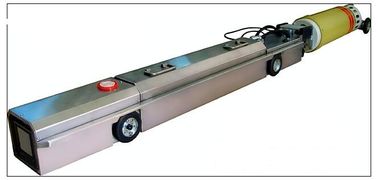
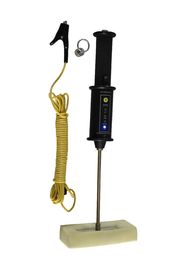
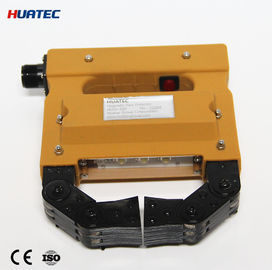
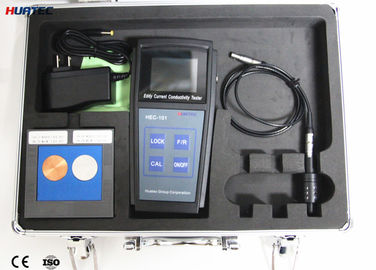
In the vast networks of oil and gas pipelines stretching across continents, every circumferential weld functions like a critical vascular junction in the human body. The integrity of these connection points determines the safety and reliability of energy transportation systems that power modern civilization. As thousands of kilometers of steel pipe disappear beneath the earth's surface or traverse challenging terrains, ensuring flawless weld quality becomes both an engineering imperative and a technological frontier.
The Data-Driven Approach to Pipeline Integrity
Modern pipeline inspection has evolved beyond simple physical examination. Today's quality control models treat pipeline integrity as a complex system governed by welding parameters, material properties, environmental stresses, and detection accuracy. Within this framework, X-ray pipeline crawlers have emerged as sophisticated data acquisition terminals—transforming invisible internal structures into quantifiable, traceable digital assets through their full-circumference radiographic capabilities.
These automated detection systems represent more than mechanical innovation; they embody a fundamental shift from analog inspection to digital diagnostics, creating permanent records that enable predictive maintenance and continuous improvement.
Precision Engineering Meets Digital Transformation
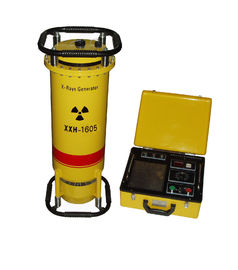
Designed for pipes with internal diameters ranging from 9.5 to 48 inches (240mm to 1220mm), these crawlers perform comprehensive radiographic testing of girth welds using internal X-ray generators. The systems achieve 360-degree coverage through synchronized sensors and radiation sources, while remote handheld terminals allow operators to monitor progress and adjust parameters from outside the pipeline—dramatically reducing human error and improving result consistency.
The integration of computed radiography (CR) and digital radiography (DR) technologies has accelerated inspection workflows from hours to seconds, eliminating chemical film processing while providing immediate digital images for analysis. This transition from physical media to digital assets not only prevents image degradation but also enables machine learning applications. By training algorithms on thousands of annotated weld images, the industry can achieve unprecedented defect recognition accuracy while minimizing false negatives.
From Detection to Prediction: The Future of Pipeline Maintenance
As the technology matures, the combination of advanced sensors and artificial intelligence promises to transform pipeline maintenance strategies. Time-series analysis of historical inspection data may soon enable predictive models that estimate weld fatigue life, shifting the paradigm from reactive repairs to preventive interventions. This evolution could optimize inspection frequency, reduce operational costs, and enhance safety across energy infrastructure networks.
The comprehensive data collected by these systems—including defect characteristics, spatial coordinates, and material properties—creates valuable foundations for digital twins of pipeline networks. When combined with decades of operational experience under varying climatic and geological conditions, this information becomes an invaluable resource for risk assessment and infrastructure planning.
In the hands of specialized inspection firms with rigorous quality, health, safety, and environmental (QHSE) protocols, this technology delivers more than compliance—it provides the empirical basis for smarter infrastructure management. The marriage of technical expertise with digital data management not only solves immediate quality challenges but lays the groundwork for intelligent pipeline operations that will serve future generations.


 Your message must be between 20-3,000 characters!