September 16, 2026
In precision manufacturing and corrosion monitoring, engineers face a persistent challenge: how to maintain extremely high measurement accuracy while ensuring efficient, closed-loop inspection processes in complex industrial environments. When measurement data remains confined to paper records or manual entry systems, human error and information silos become invisible bottlenecks that constrain production quality management. The emergence of Bluetooth wireless thickness measurement technology represents not just an upgrade in measurement tools, but a crucial piece in the digital transformation of industrial inspection.
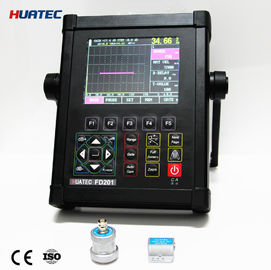
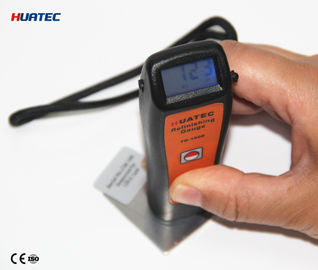
The core value of industrial Bluetooth thickness gauges lies in their seamless integration of physical measurement with digital asset management. These devices employ three primary measurement technologies:
The introduction of digital connectivity represents a competitive advantage. Through low-energy Bluetooth (BLE) modules, devices can instantly transmit raw data to mobile terminals or PCs. This real-time connection eliminates the data transfer delays common in traditional equipment, allowing field inspection results to be directly converted into analytical reports. This significantly reduces response times from anomaly detection to decision-making interventions.
When evaluating these devices, analysts should consider several critical dimensions:
The global industrial thickness measurement market has developed a mature competitive structure, with manufacturers specializing in different segments:
Bluetooth thickness gauges offer value beyond mere measurement accuracy. In pipeline corrosion monitoring, for instance, the continuous data streams transmitted via Bluetooth enable the construction of material thickness evolution curves over time. Through data modeling, companies can shift from reactive inspections to predictive maintenance—scheduling repairs before materials reach critical thresholds, thereby avoiding production losses from unexpected equipment failures. This data-driven decision-making model exemplifies the core competitive advantage in the Industry 4.0 era.